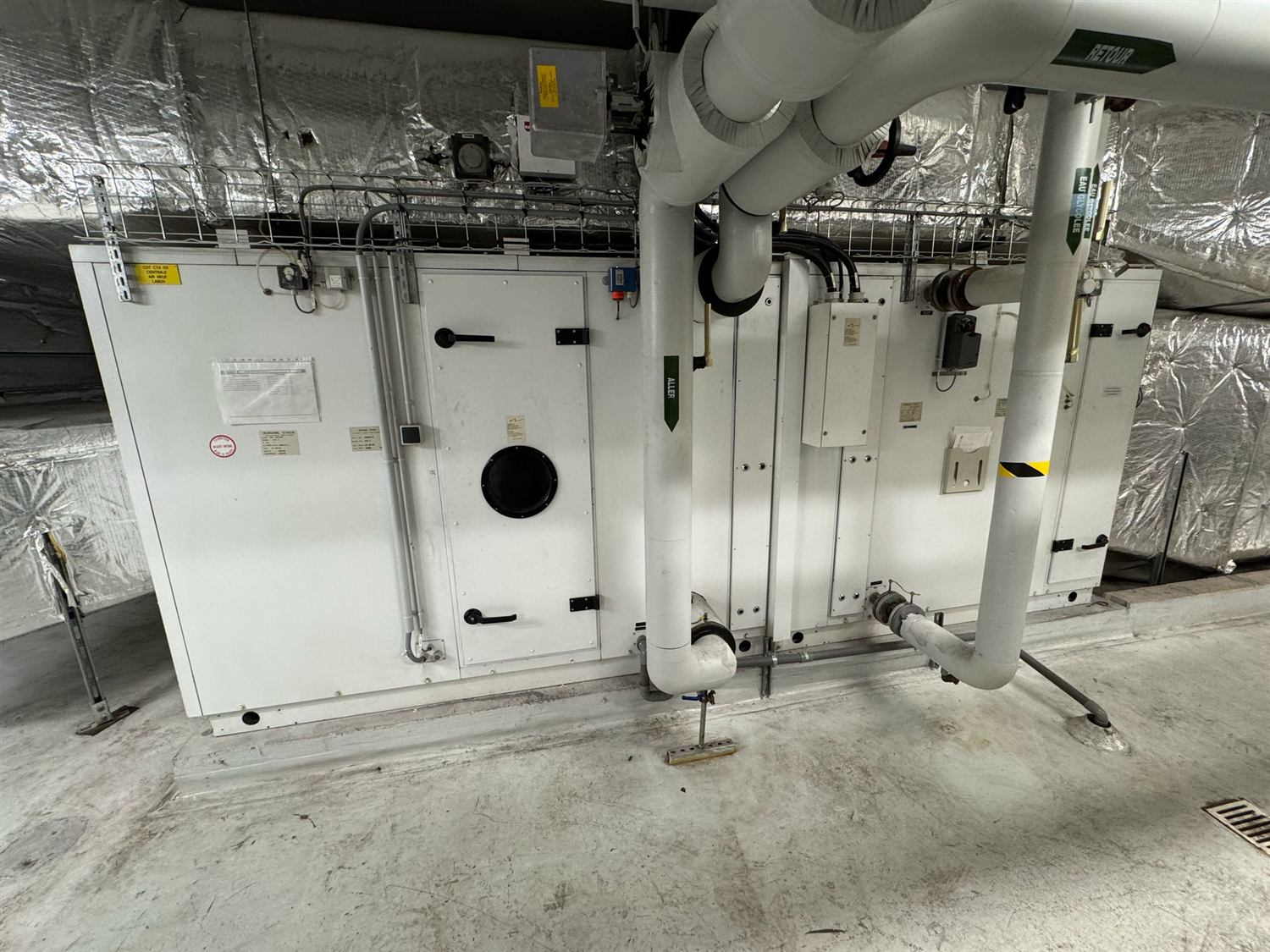
A well-designed HVAC system does not guarantee a well-functioning one. Between the drawings and the reality of the site, flow rates drift, sensors lose calibration and controls stay badly configured. Commissioning is the step that turns a "wired" installation into a "performing" one. And the numbers speak for themselves.
What is commissioning?
HVAC commissioning is a quality process that verifies and documents that installations actually operate in line with the owner's requirements. It covers:
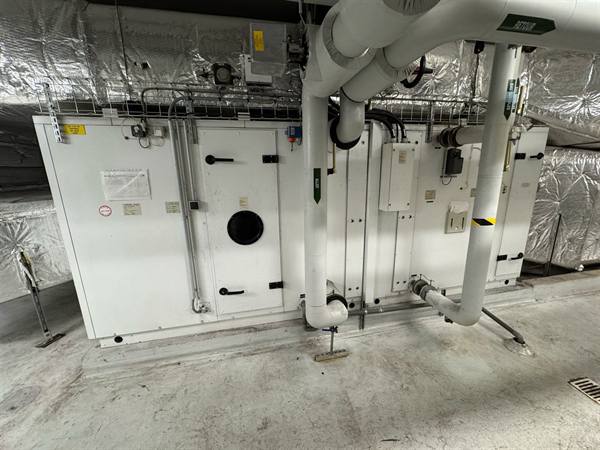
- air balancing — the correct distribution of air flow (AHUs, MVHR, diffusers);
- water balancing — the correct distribution of water flow (heating/chilled networks, valves);
- configuration and testing of control sequences (BMS/BAS);
- performance testing and snag-list clearing.
Applied to an existing building already in service, it is called retro-commissioning (RCx): bringing a system that has degraded over time back up to standard.
The evidence: what the studies say
The global reference on this subject is the meta-analysis by the Lawrence Berkeley National Laboratory (LBNL), led by Evan Mills. The 2009 study analysed 643 buildings representing 99 million square feet.
In other words: for a median cost of around $0.30/ft² (2009), commissioning an existing building pays for itself in just over a year, then generates savings every year after that.
A more recent LBNL study, conducted with the Building Commissioning Association, extended the analysis to 1,500 North American buildings (373 million square feet) across three decades. It confirms the value: a median payback of 1.7 years (range 0.8 to 3.5 years) for existing buildings, and a delivery cost roughly 33% lower than in 2009.
In short: commissioning is one of the most cost-effective energy-efficiency strategies available for a building. The extra cost is modest, the payback is fast, and the savings are lasting.
What we find (almost) every time
If commissioning saves so much, it is because defects are the rule, not the exception. On site, we regularly encounter:
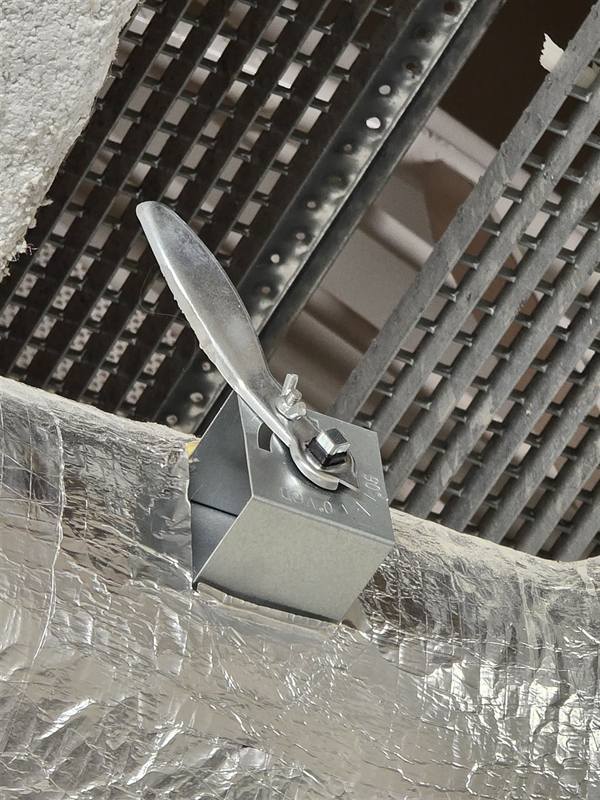
- dampers and fire dampers jammed or badly positioned;
- unbalanced air and water flow (some zones over-ventilated, others starved);
- drifting or faulty sensors (temperature, CO₂);
- poorly set BMS setpoints and time schedules;
- simultaneous heating and cooling;
- inoperative free cooling;
- pumps and fans running at full speed permanently.
Each of these defects quietly wastes energy, with no alarm — until commissioning reveals it.
Now a regulatory issue in France
The energy performance of tertiary buildings is no longer optional. The French Éco Énergie Tertiaire scheme (the "tertiary decree") requires tertiary buildings over 1,000 m² to cut their final energy consumption by:
- −40% by 2030,
- −50% by 2040,
- −60% by 2050 (against a reference year).
HVAC commissioning is one of the most direct and least costly levers to move toward these targets, without heavy refurbishment works.
At Clim Froid Services, commissioning is at the heart of what we do: air and water balancing, AHU/MVHR commissioning, BMS support and performance measurement. Let's talk about your installation.
Sources
- Evan Mills, Building Commissioning: A Golden Opportunity for Reducing Energy Costs and Greenhouse Gas Emissions, Lawrence Berkeley National Laboratory, 2009 — cx.lbl.gov/2009-assessment.html
- LBNL & Building Commissioning Association, Building Commissioning Costs and Savings Across Three Decades and 1,500 North American Buildings (2018) — bies.lbl.gov
- Éco Énergie Tertiaire scheme (tertiary decree), French Ministry for Ecological Transition — ecologie.gouv.fr
Savings figures depend on each building; the values cited are medians from studies covering several hundred to more than a thousand buildings.